In this comprehensive guide, we explore the essential steps you should take before hiring a freelance designer, ensuring your project starts on the right foot.
1. Gather Inspiration from Websites You Love
Before reaching out to a designer, clarify your design vision. Start by collecting examples of websites you admire. These references act as visual blueprints and help communicate your aesthetic and functional preferences clearly.
Tips for choosing site references:
Highlight Key Features: Focus on design elements you admire, such as layouts, navigation, animations, or interactive sections. Check out Awwwards for inspiration.
Analyse Competitors: Review competitor websites to understand design trends in your industry and identify what works (and what doesn’t).
Add Annotations: Use screenshots with notes or highlight specific areas to guide your designer effectively.
2. Map Out a Rough Website Structure
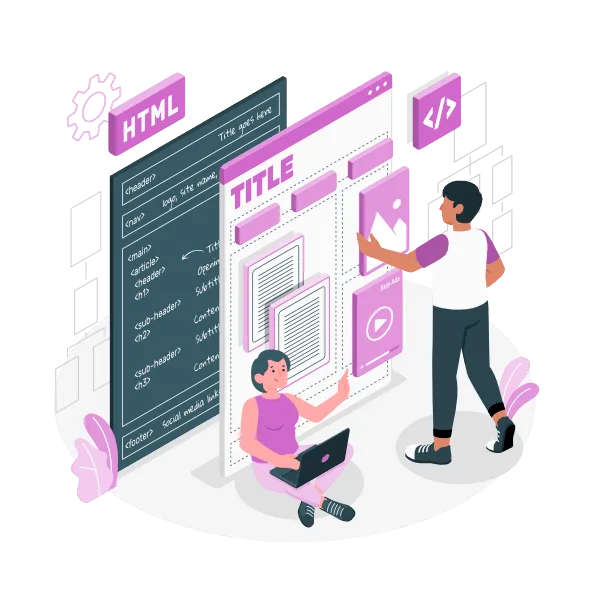
Having a basic structure in mind helps streamline the initial stages of web development. While a professional designer will optimise user flow and interface, your input offers valuable insight.
Consider:
Core Pages: Home, About, Services, Contact, Blog, FAQs, etc.
Special Features: Booking forms, shopping cart, or blog integration.
User Journey: Plan how visitors navigate from the landing page to your desired conversion point.
3. Prepare Content and Visual Assets
Your website’s content and imagery are what bring the design to life. The more content you can provide upfront, the quicker your designer can integrate and structure your site.
What to prepare:
High-Quality Images: Product photos, team headshots, or branded imagery—ensure everything is high resolution.
SSEO-Optimised Copy: Include keywords naturally, clear headings, and messaging aligned with your brand voice (Google SEO Starter Guide).
Branding Assets: Logo, fonts, colour palette, and tone of voice guidelines to maintain brand consistency.
4. Define Clear Website Goals
Your website must have a clear purpose from day one. Are you looking to generate leads, sell products, or build authority in your field? Setting goals helps your designer make informed decisions on structure, functionality, and content.
Common website goals include:
Lead Generation: Prioritise strong calls-to-action, newsletter signups, or contact forms.
Online Sales: Focus on smooth navigation, persuasive product pages, and secure checkout processes.
Information Delivery: Emphasise user experience, accessibility, and content hierarchy.
Additional Considerations for a Successful Project
Mobile Responsiveness: Ensure your website is fully responsive across all devices (Google Mobile-Friendly Test).
SEO Foundation: Discuss on-page SEO, meta tags, structured data, and fast-loading pages with your designer.
Budget and Timeline: Clear communication ensures the project stays on track.
Final Thoughts
Proper preparation before hiring a freelance designer ensures a website that reflects your brand, connects with your audience, and performs well across devices and platforms. For CMS-related advice, see our post What is a Content Management System (CMS)?